



 Cold Storage PPE

- CORPORATE
- Higher ‘flat’ protection, making them better for environments with very heavy hazards, such as machinery handling
- High puncture resistance
- They don’t shatter, and contrary to popular myth, they don’t snap, resulting in toe amputation!
- Good value – steel caps are more economical to produce than composite toe caps, so they are often cheaper to buy as well
- Pass ASTM tests, meaning they are considered safe for workers handling electrical components. Having said that, composite toe boots are still considered safer in this regard as they do not conduct electricity.
- Do not weaken over time
- The steel caps are heavier than composite materials, so they are less suited to workers doing lots of walking. However, steel toe cap footwear is continually improving and getting lighter.
- Set off metal detectors – inconvenient and annoying for those than need to regularly pass security checks with metal detectors
- Poor insulation in extreme temperatures. They get extremely cold in cold conditions, and very hot in warm conditions, making them less comfortable.
- Generally significantly lighter than steel caps, meaning they offer a higher level of comfort for those on their feet for long periods
- Non-metal materials meaning they don’t set off metal detectors, making them great for FIFO workers as they pass through airport security
- Superior electrical resistance for those working around live wires
- Provide better thermal insulation, meaning your toes stay warmer in the cold and cooler in the heat
- Cannot withstand the same level of down force as steel caps
- Average puncture resistance
- More expensive to produce, leading to a higher purchase price
- Caps are often thicker and more bulbous, meaning they cannot be used in as many styles of footwear as steel caps
- Generally rebound after compression but can be weakened significantly after an impact, meaning they can be less protective as they age
Composite Toe vs. Steel Toe Safety Boots. Which will protect you best?

For years steel toe cap safety boots and shoes have been considered the ultimate solution for workers in hazardous environments and job roles, especially those that involve lifting and carrying heavy objects. In recent years though, composite toe cap boots and shoes have become increasingly popular. We’re often asked – which are better? This guide will cover the pro’s and con’s of each, and hopefully, help you choose the best type to keep you safe in your job role.
 Steel Toe Cap Safety Boots
Steel toe cap safety boots and shoes have a heavy-duty steel cover cap across the toes and have protected the toes of countless workers across the globe and are considered the ‘classic’. To meet Australian OHS standards (AS/NZS 2210.1) they are required to provide protection against 200J of energy and bear a compression load of at least 15kN.
Pro’s of Steel Caps
Con’s of Steel Caps
 Composite Toe Cap Safety Boots
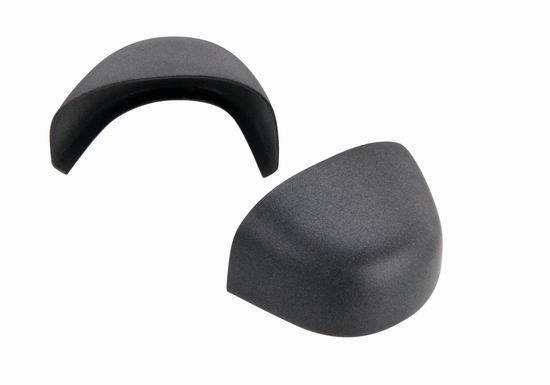
Composite toe cap safety boots and shoes, considered the ‘new kid on the block’, are made from non-metal materials such as thermoplastic polyurethane (TPU), Kevlar or carbon fibre. To meet the Australian OHS standards they are also required to provide protection against 200J of energy and a compression load of at least 15kN.
Pro’s of Composite Caps
Con’s of Composite Caps
Summary Table – Steel Caps vs. Composite Caps
In summary, whether you choose composite toe or steel toe boots should depend on your job role and safety requirements. They each have their strengths and weaknesses which is why many boot manufacturers are choosing to have both types in their range.
Pro’s Con’s Steel Toe Cap Safety Boots Higher ‘flat’ protection & puncture resistance. Good value & durability. Heavier than composite materials & set off metal detectors. Also provide poor insulation in extreme temperatures. Composite Toe Cap Safety Boots Generally significantly lighter than steel caps and don’t set off metal detectors. Superior electrical resistance and thermal insulation. Cannot withstand the same level of down force as steel caps and average puncture resistance. More expensive to produce and can weaken over time. 


 Steel Toe Cap Safety Boots
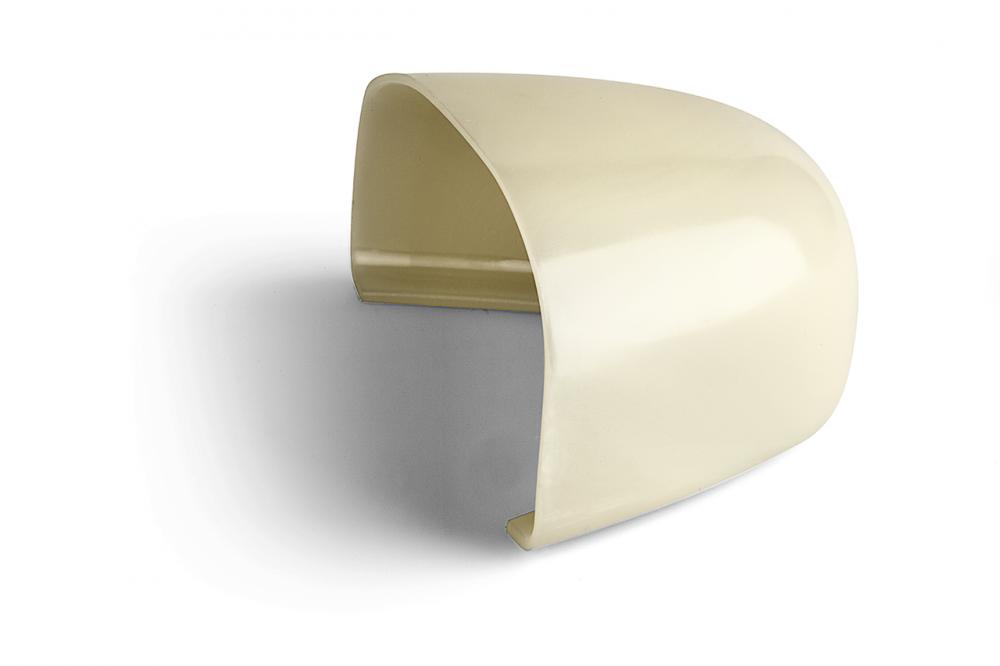 Composite Toe Cap Safety Boots